Wearable tag
Water probes detect immersion. GPS transmits the position and a vibration motor warns when the user leaves the 200 m safety range.
Overview
As warming temperatures destabilize ice, ice-related accidents increase. Glidra is designed to improve rescue speed while keeping victims, bystanders and trained responders away from further risk.
Reduce the time between immersion and buoyancy support.
The brief called for a shore-installed, automatically deployable device for high-risk lakes and docks. It needed to cross both ice and water, deliver flotation without asking the victim to climb, and remain connected to a controlled retrieval point on land.
Water probes detect immersion. GPS transmits the position and a vibration motor warns when the user leaves the 200 m safety range.
A sealed HDPE craft moves across ice and water. A CO₂-inflated front board supports and lifts the victim from below.
A fixed pulley keeps the Dyneema retrieval line aligned while the shore station pulls the craft and victim back to land.
Batteries lose capacity, plastics become brittle and seals can freeze. Materials and electronics must remain dependable in prolonged cold.
Snow, darkness and visual clutter slow response. High-contrast surfaces and lighting keep the rescue system legible at distance.
Lakesides vary from soil and rock to frozen ground. The retrieval station needs a secure base and controlled rope alignment.
Bystanders may step onto weak ice during a rescue. Glidra is designed to reach, support and retrieve from the shore.
Fluent simulations were used to study pressure distribution and airflow around the body. High pressure at the nose and lower skirt supports lift, while low pressure over the upper shell and behind the fans helps the craft remain stable and move forward.
Full-scale body experiments compared handle angles and victim postures. The final handle supports both straight and bent arms, remains usable with gloves, and keeps the torso aligned with the inflatable board during retrieval.
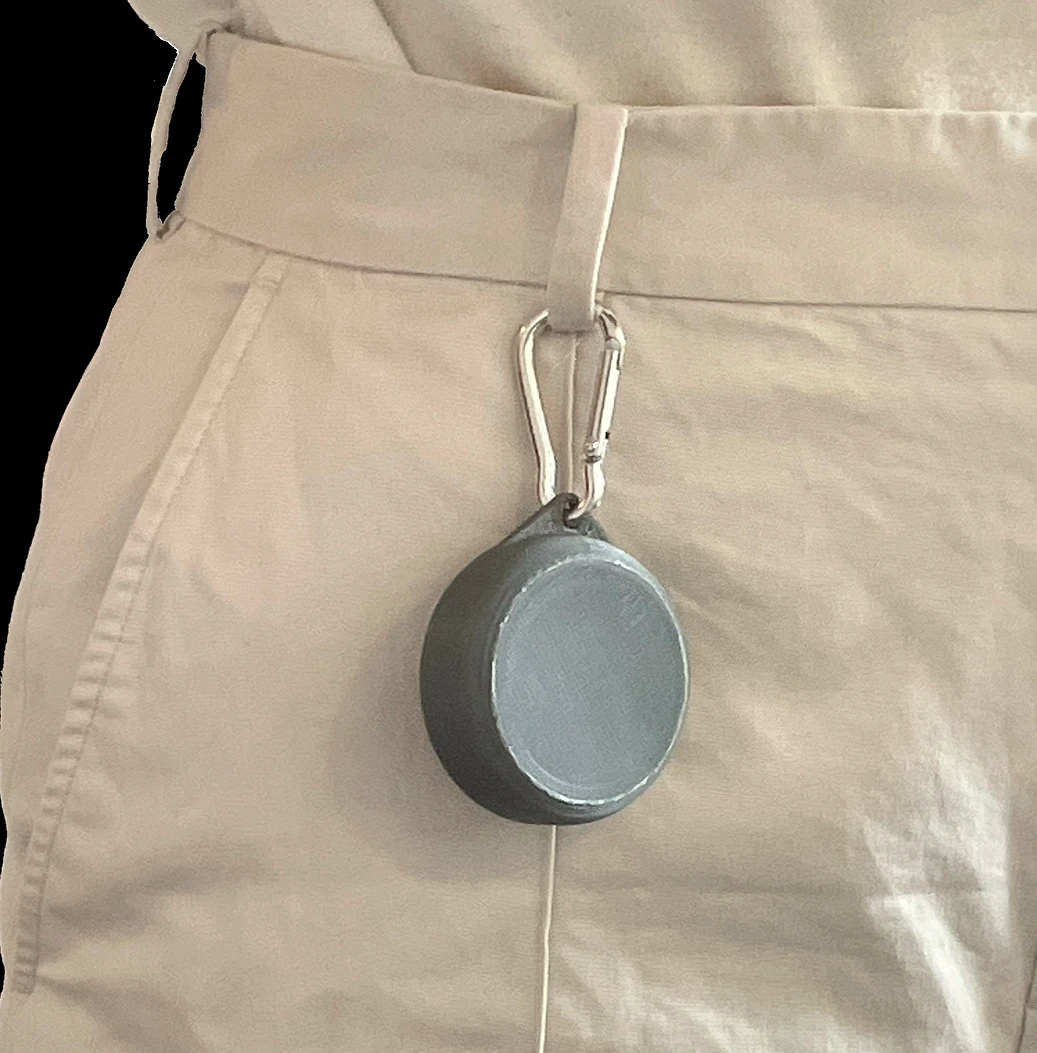
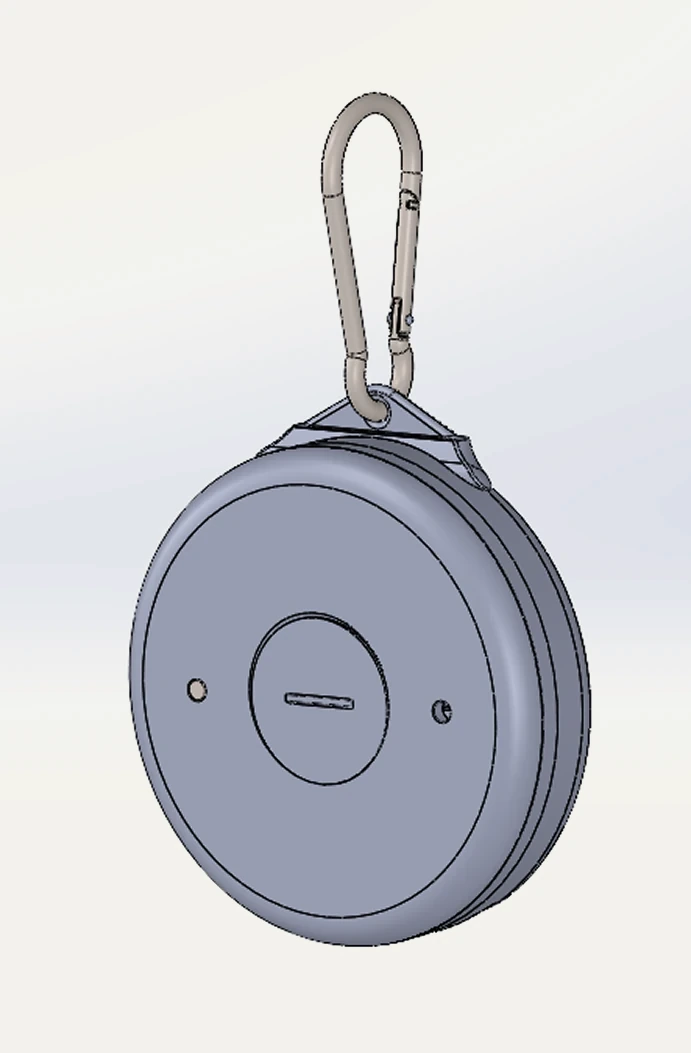
A clip keeps the water sensor exposed, works over winter clothing and avoids asking every user to wear a dedicated watch.
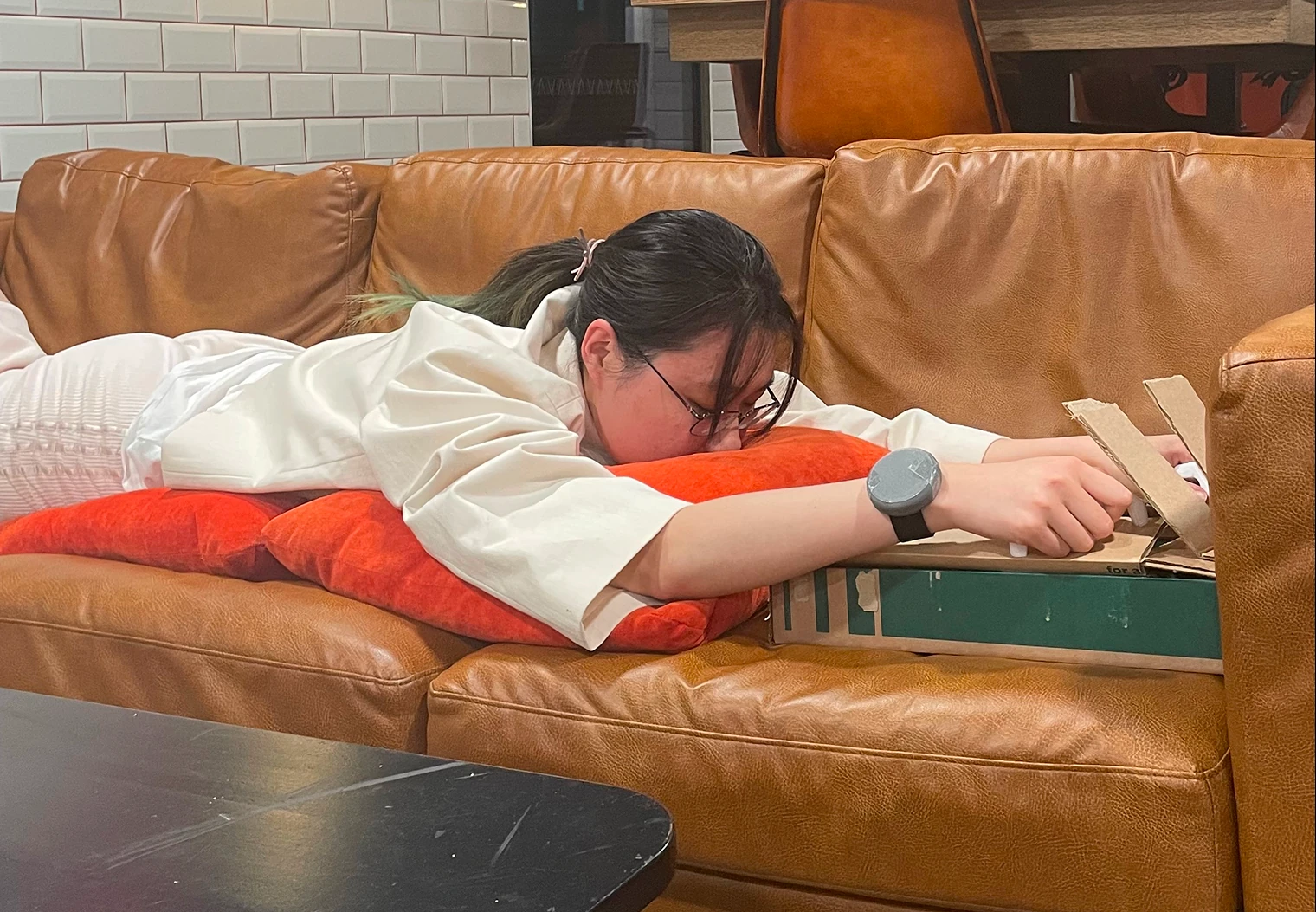
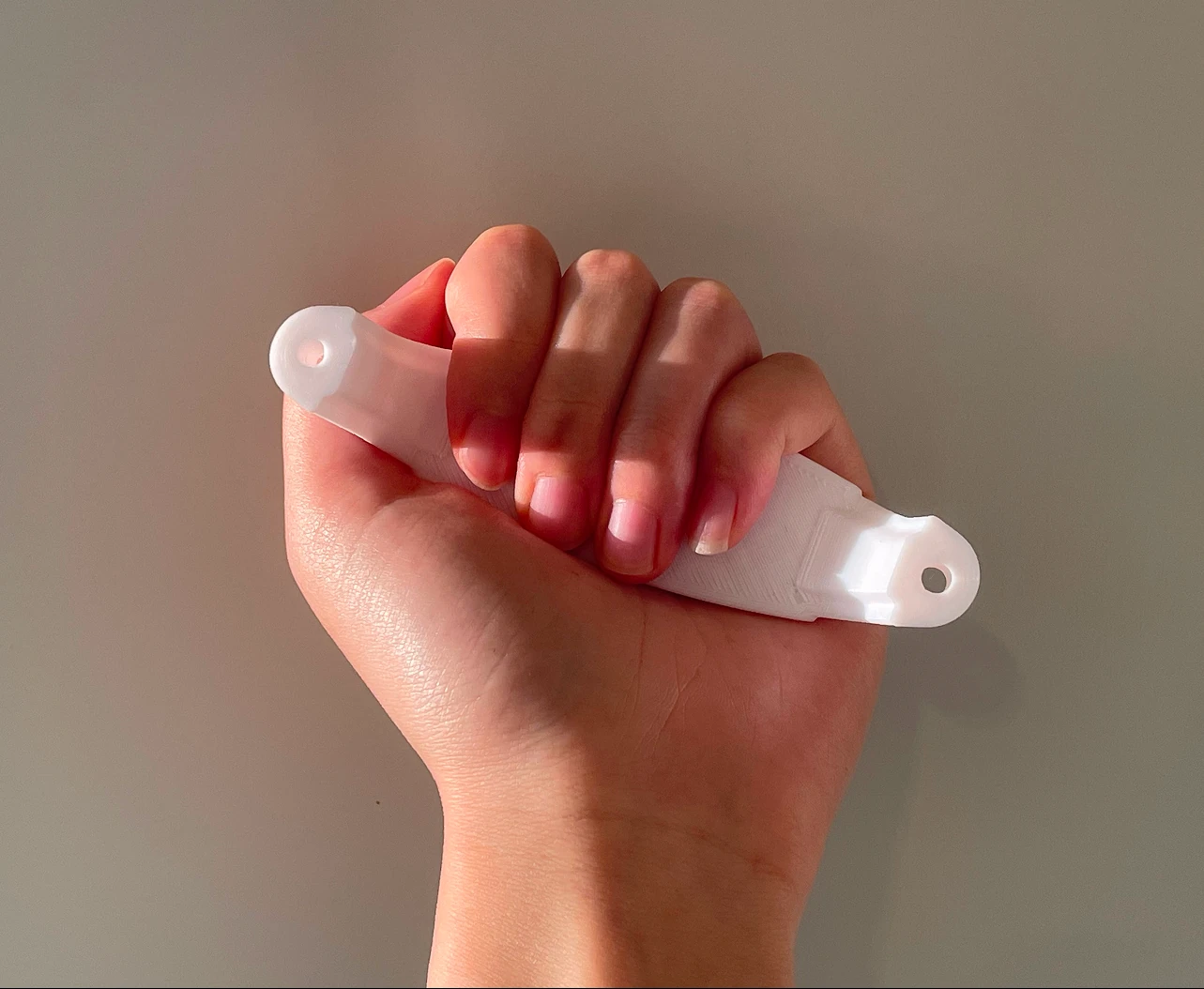
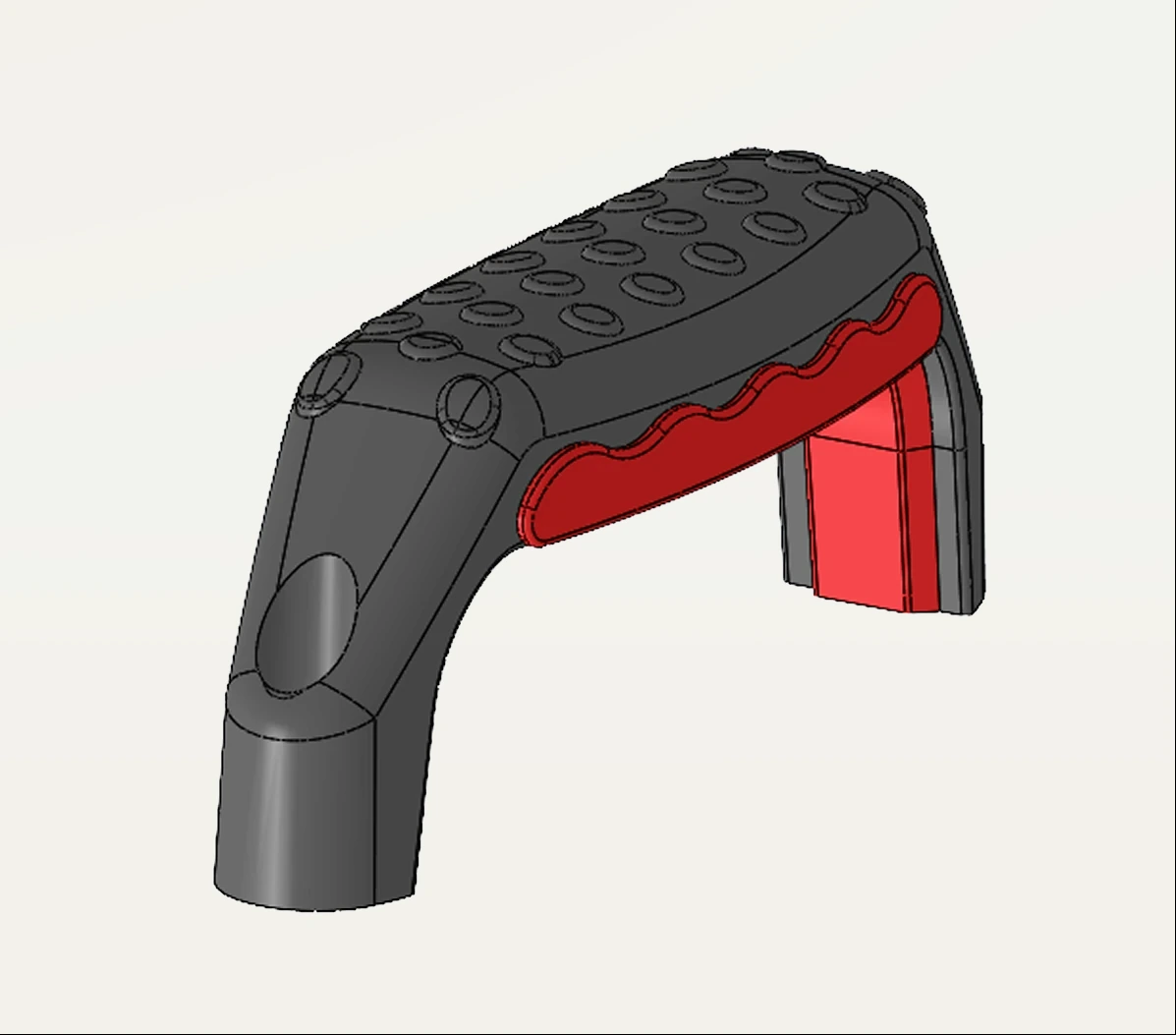
The final angle supports straight and bent arms, remains usable with gloves and keeps the torso aligned during retrieval.
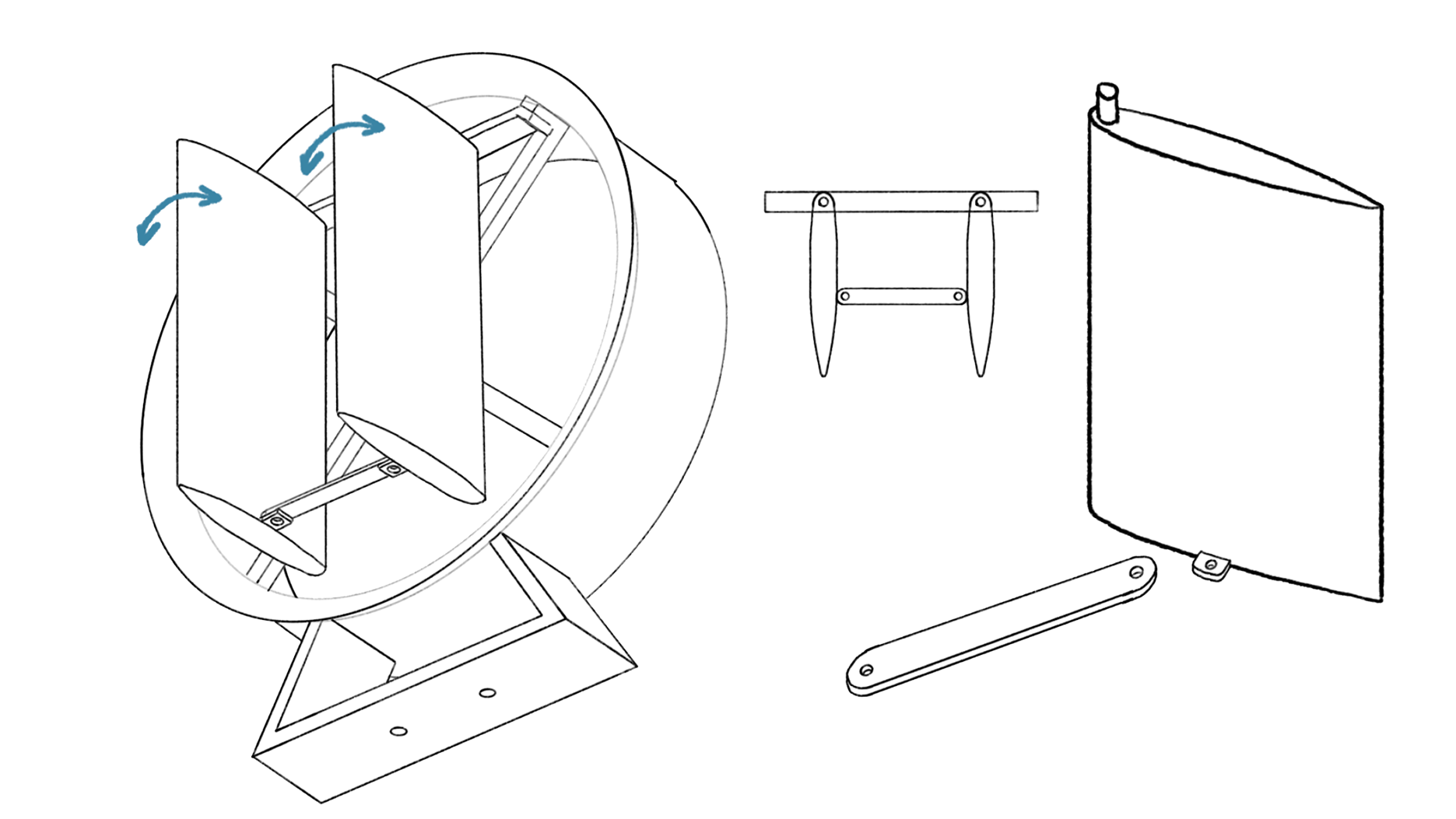
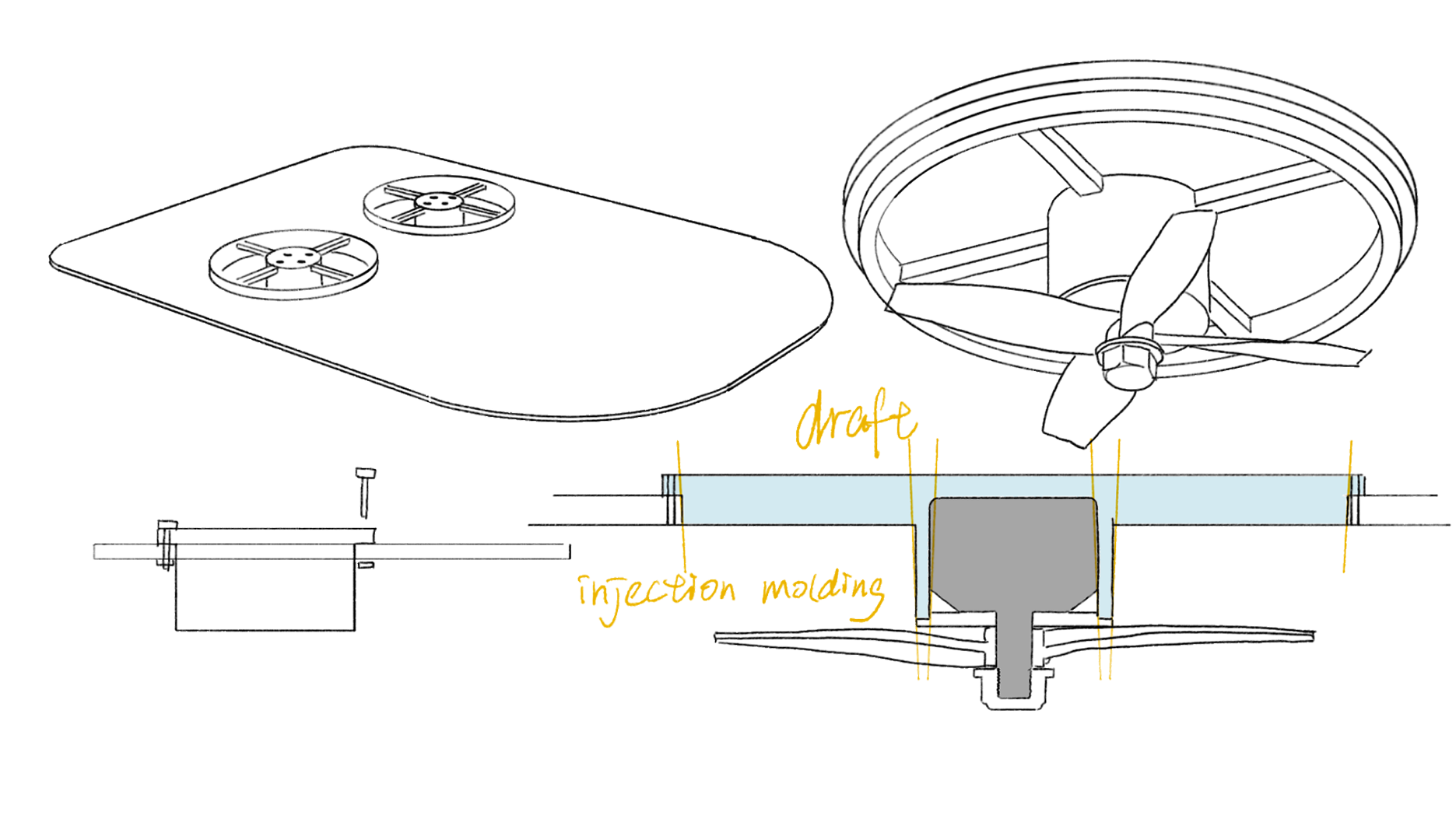
Fan output, rudder geometry and motor control were treated as one system to keep the craft stable across ice and water.
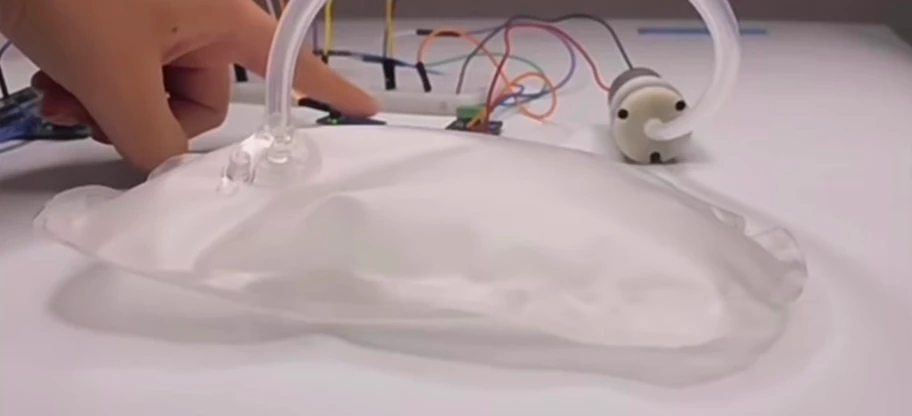
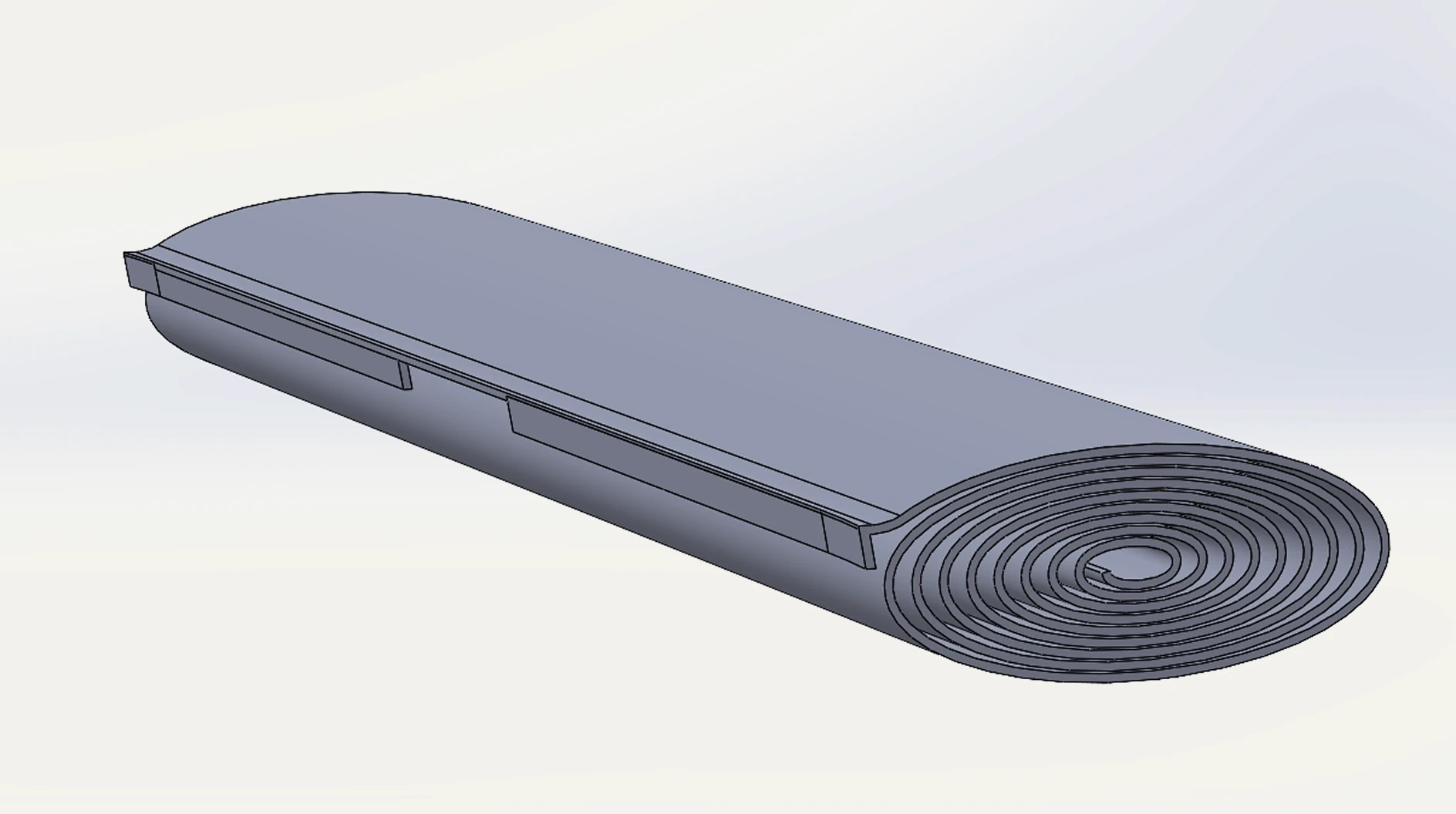
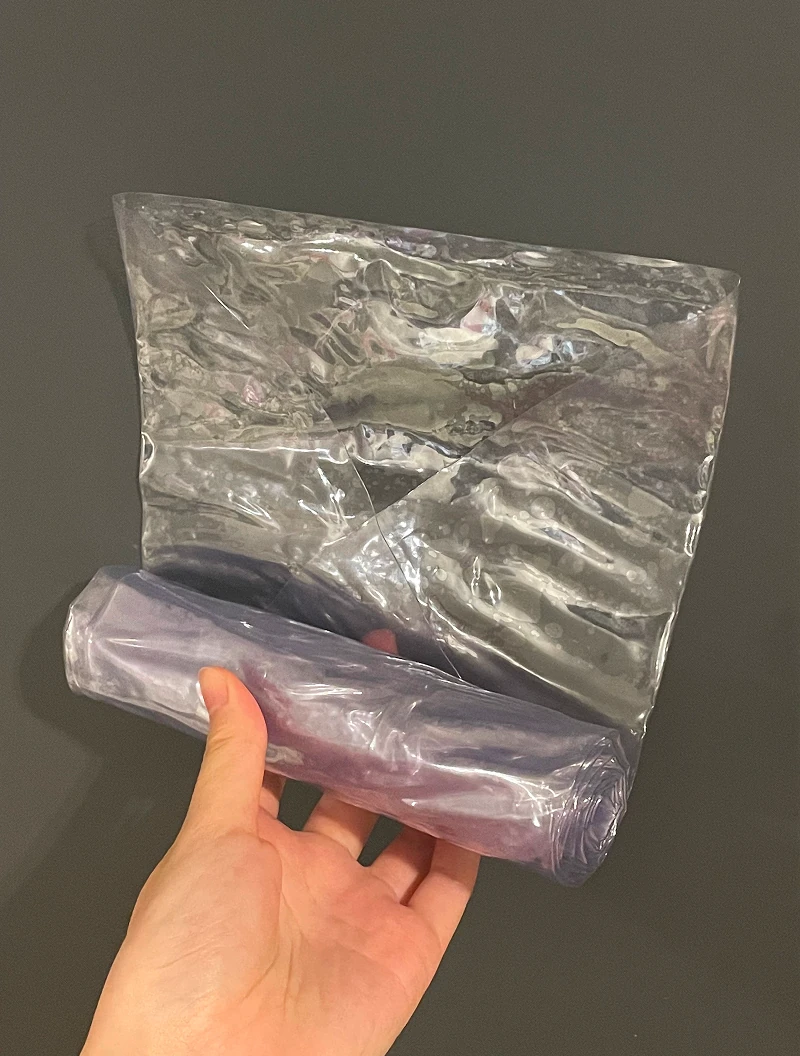
A compact rolled chamber deploys at the front of the craft, increasing buoyancy without asking an exhausted victim to climb aboard.
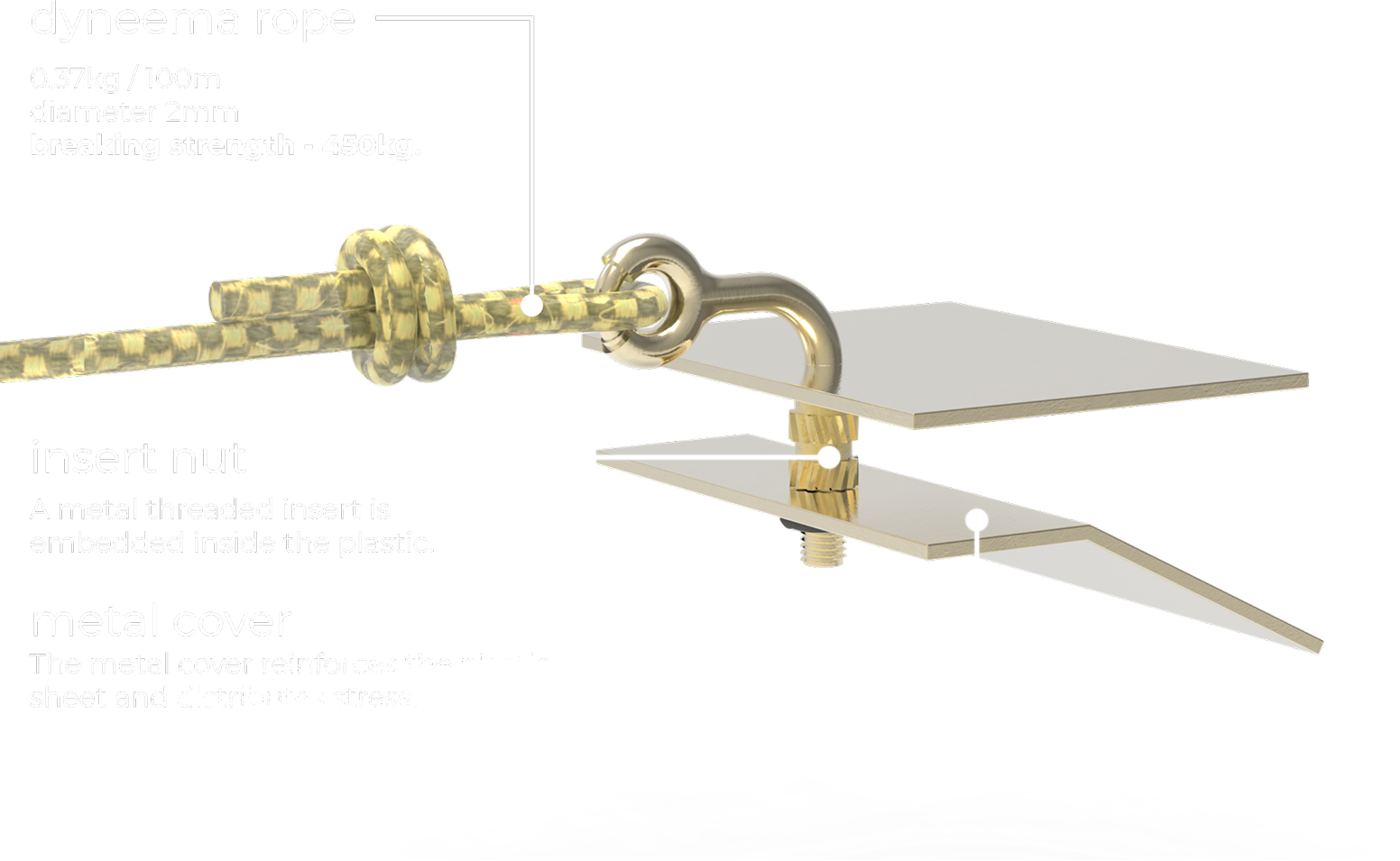
A threaded insert and metal cover transfer retrieval forces away from the hook and into the wider plastic shell.
Full-scale assemblies checked flotation, reach and retrieval logic.
Evidence / full-scale body supportThree handle angles were compared across straight and bent-arm postures.
Evidence / winter-glove constraintPressure and airflow studies informed the hovercraft body and fan balance.
Evidence / Fluent pressure + velocity fieldsWaterproof HDPE and a 450 kg Dyneema retrieval line defined the material direction.
Evidence / water resistance + rated loadA person falls through unstable ice.
The wearable tag detects immersion and sends the location.
The shore station automatically releases the hovercraft.
The victim holds the high-visibility red handles.
The front airbag inflates and lifts the body from below.
The winch returns the hovercraft and victim to shore.
Bright yellow components and red flotation surfaces remain legible against snow, water and low light. The system combines automatic detection with a simple physical action: hold the handles while the shore station brings you back.
Reflection
System sequence, body-support posture, handle ergonomics, CFD direction and material feasibility.
Real cold conditions, ice friction, water flow, battery loss and sensor delay.
Robotic Product Design / System Integration / Autonomous Perception
↗